The Real Reason You Become Your Teenage Self Around Family (It's Not Immaturity)
You run a team. You lead rooms. People trust your judgment. And within twenty minutes of walking into your mother's kitchen, you're sixteen again.
It isn't immaturity, and it isn't who you really are. The explanation lives in your nervous system, not your character. Your family home is full of cues. The smell of the kitchen, the way someone says your name, the chair you always sat in and your body reads them as instructions for who it had to be back then to stay safe and loved. Psychologists call this state-dependent memory: a place can call up an old state, and you slip into it before you've made a single choice. You don't decide to regress. Your body gets there first.
And it doesn't happen to you alone. Growing up, most of us took on a role in the family. The peacekeeper, the achiever, the fixer, the invisible one, the one who gets blamed and those roles don't retire when we do. Around family they pull in one of two directions. Some of us shrink: quieter, smaller, more careful. Some of us overachieve: we manage, we host, we prove ourselves. Either way it's the same trade giving up who you are now to keep belonging to who you were then.
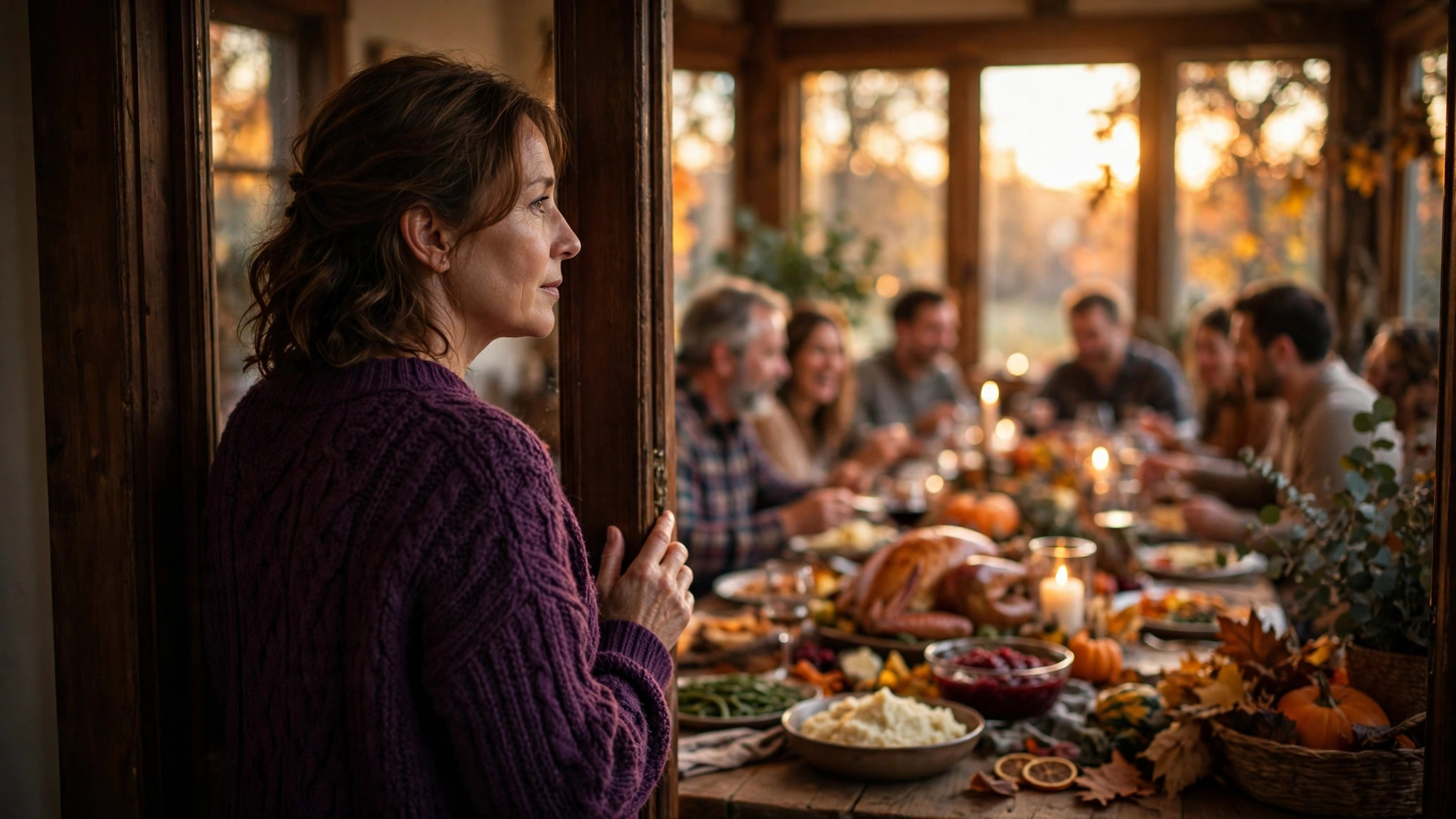
Kathleen knows this one from the inside. In her family she was the quiet, invisible one and her brother was the clown, and the moment everyone stepped into her mother's house, they were all teenagers again, in and out within three hours, because nobody really wanted to be there. She saw the same pattern from the other side too: a guest at her own Thanksgiving who spent the whole day managing the kitchen, then got up after dinner to clear the dishes, even though she was a guest and the dishes weren't hers to do. The role follows you into rooms where it doesn't belong.
Here's the part most of us miss: everyone else is regressing too. A family is a system, and systems like to stay the same. So when you stop playing your old part, the system pushes back, a tease, a cold shoulder, a harder pull to come back in line. That pushback isn't proof you're doing it wrong. It's proof you're doing something different.
The goal isn't to never slip into the old role. It's to notice it sooner. The moment you feel it kicking in, name it silently to yourself. There's the peacekeeper, there's the fixer. Naming it puts a little space between you and the role, and in that space you get to choose.
That's what this week's exercise is for. The Car-Door Reset takes about a minute, done before you walk in: a short preparation at home, a grounding pause at the car door, and a small anchor from your adult life to touch inside when the old role shows up. It works because it gives your body something solid to hold onto — who you are now — before the old signals take over. Practice it before the day, so your body already knows it.
If you want company on the way through the holidays, go to kathleenmflanagan.com/free-guides and pick the guide that speaks to you, along with my weekly letter.
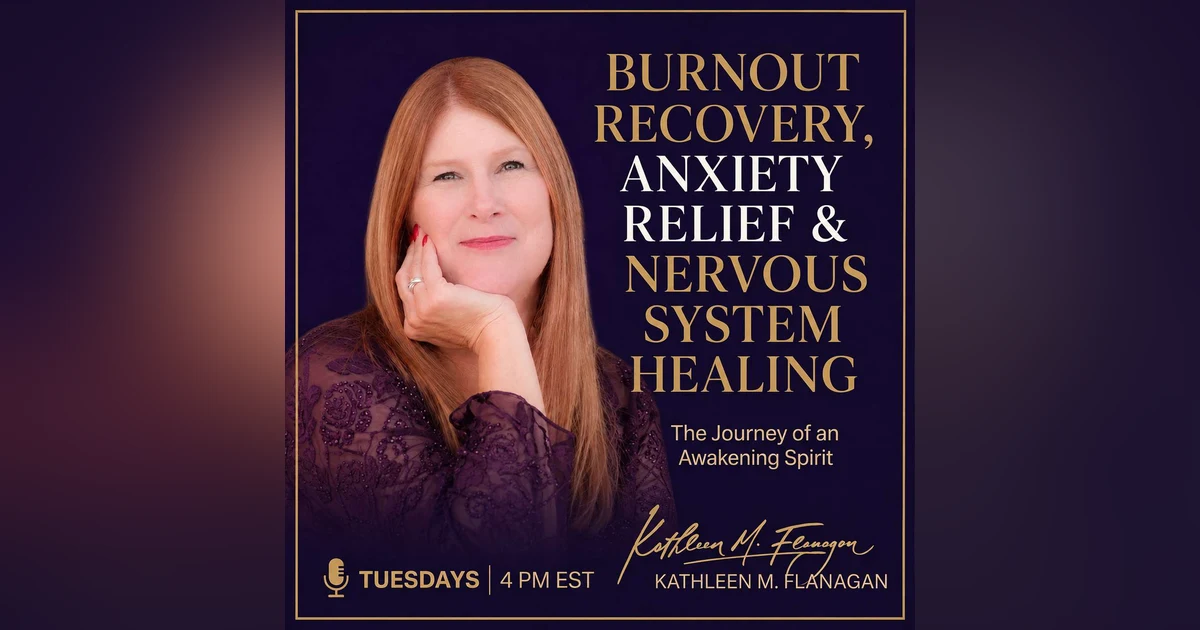
New episodes every Tuesday. Prefer listening on your commute? Stream the audio-only version here: https://podfollow.com/1688313227
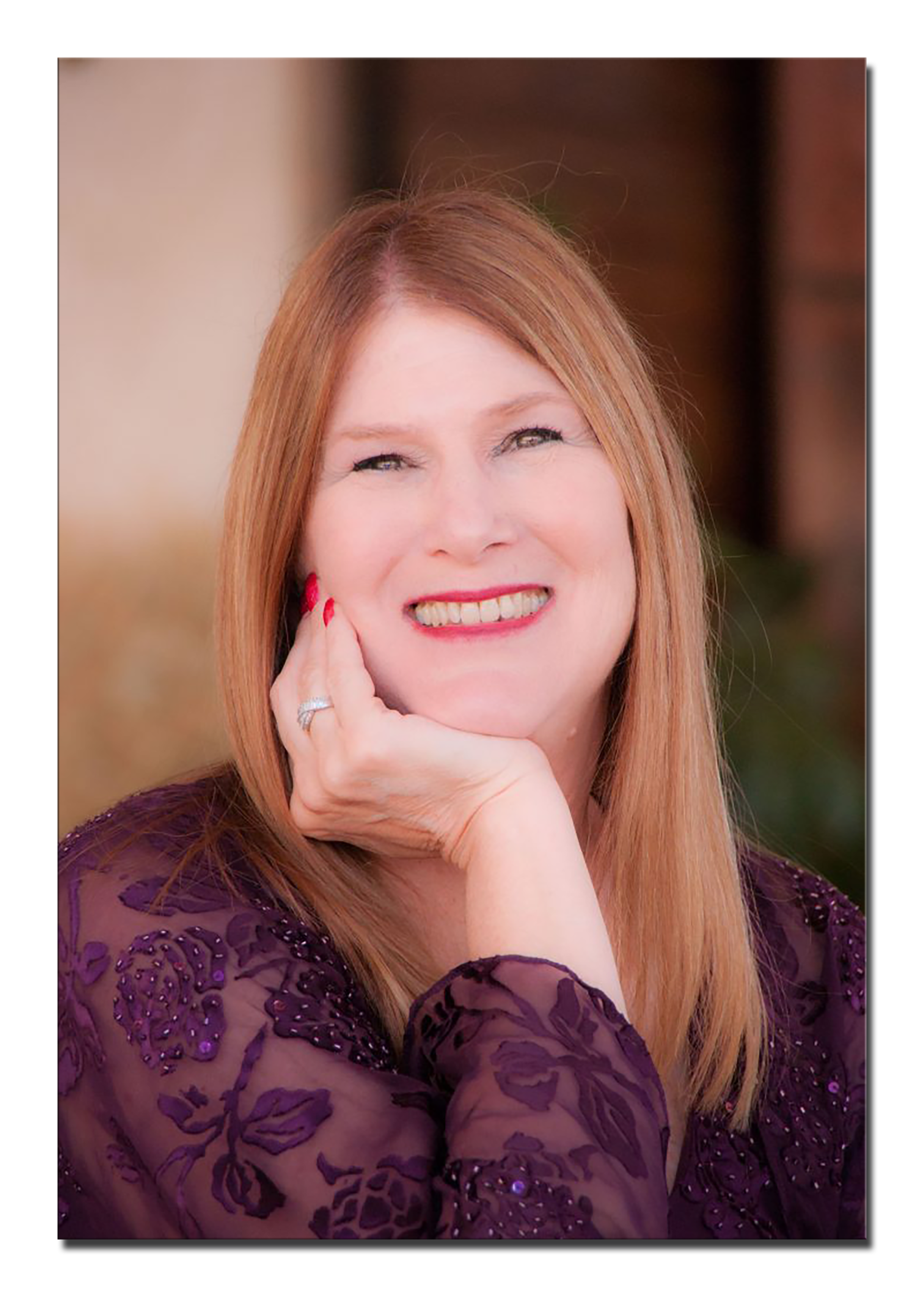
Author / Speaker / Coach
Kathleen Flanagan, is transformational coach, #1 Best Selling and international award-winning author of the Dancing Souls trilogy, and host of The Journey of an Awakening Spirit podcast.
She helps high-achieving men and women who seem to have it all together on the outside but secretly feel empty, unseen, and disconnected on the inside.
Through her own journey of trauma, healing, and spiritual awakening, she speaks with raw honesty and practical wisdom about moving beyond survival, releasing perfectionism, and reclaiming your authentic self. Her message is for those silently struggling behind the mask of success who long for wholeness, joy, and alignment with Spirit.
Kathleen brings powerful storytelling, soul-centered insights, and actionable tools that leave listeners feeling safe, inspired, and empowered to step into who they truly are.
This spiritual journey has been one of the most challenging and rewarding experiences of her life.
The Real Reason Saying No to Family Feels Like Danger (It's Not Selfishness)