Collapse Isn't Failure, It's Your Body Finally Speaking
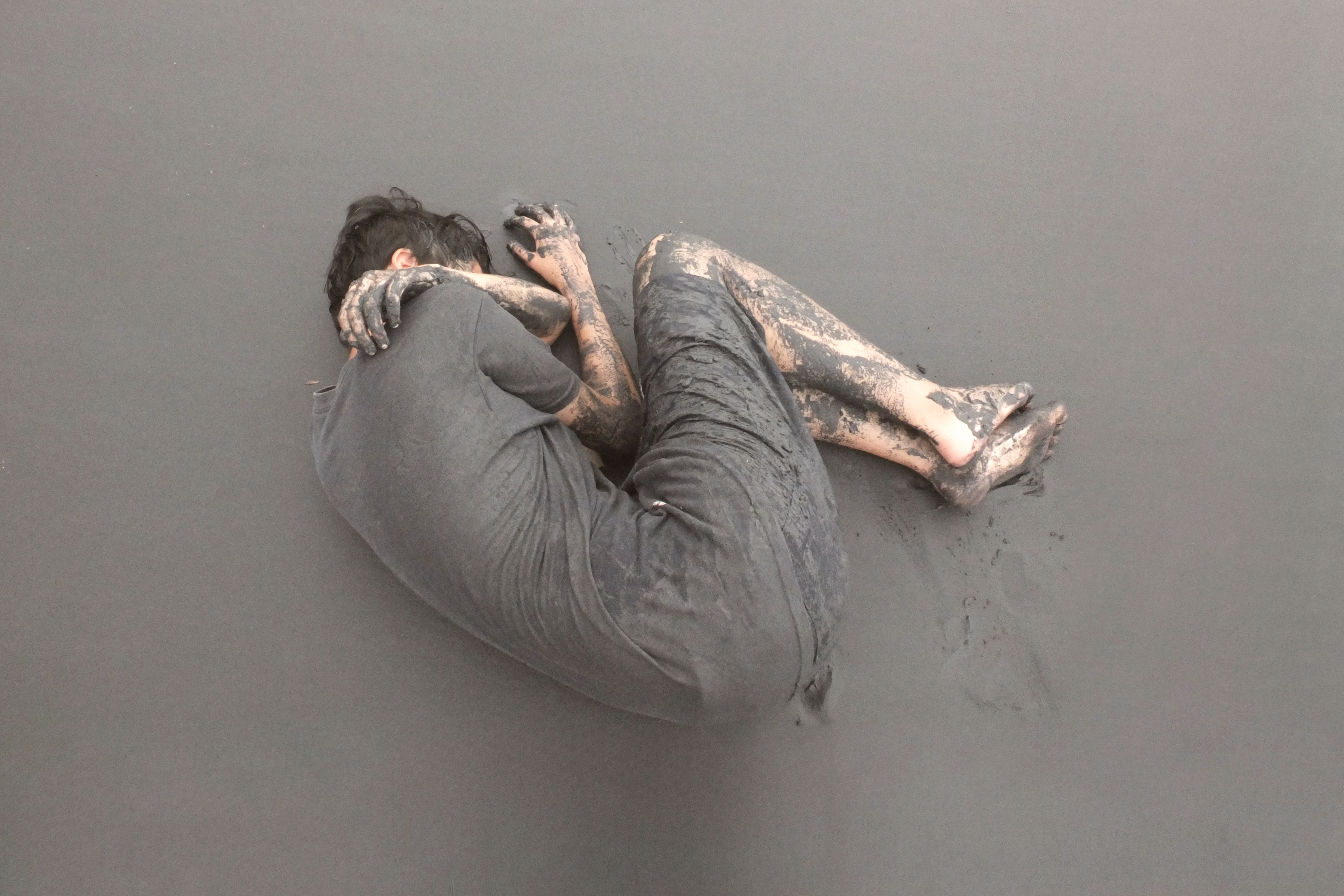
What if the moment everything fell apart wasn't the end of your story? What if it was the beginning of a life that was finally asking to be lived differently?
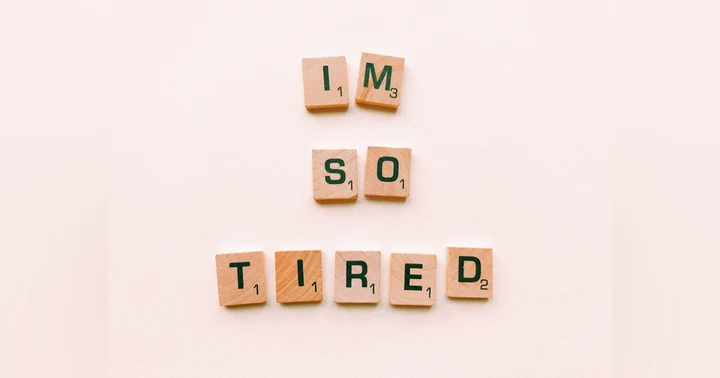
Most of us have been taught to believe that collapse means we've failed. We tell ourselves we should have handled it better, pushed harder, or simply found a way to keep going. When our energy disappears, our emotions overwhelm us, or our bodies refuse to cooperate, we often assume something is wrong with us. Yet the truth may be something entirely different. What feels like failure is often your body's final attempt to get your attention after months, or even years, of trying to communicate with you.
Our bodies rarely stop us without warning. They whisper first through tension that never seems to leave, fatigue that sleep cannot fix, anxiety that lingers beneath the surface, emotional numbness, and a growing sense of disconnection. We ignore those whispers because life demands more of us. We have responsibilities, families, careers, and expectations to meet. So we keep adding more coffee, more determination, and more willpower, hoping one more push will finally get us through. Eventually, however, the whispers become impossible to ignore. The body raises its voice because it has no other way to protect us.
One of the greatest lessons I learned came during an ordinary month that turned into one of the most transformative seasons of my life. A broken water heater, my partner leaving for Texas for a month, and the lingering effects of a ninety-day detox pushed my nervous system beyond its capacity. Every morning I woke feeling rested, only to watch my energy disappear as the day unfolded. I wasn't lazy. I wasn't unmotivated. I simply had nothing left to give.
Instead of fighting it, I did something I had never truly allowed myself to do before. I surrendered.
As I slowed down, something unexpected happened. Thoughts began surfacing that didn't belong to the successful adult I had become. They belonged to a frightened little girl who had spent decades trying to protect me. Her fears didn't make logical sense anymore, but they carried emotional truth. Rather than judging those thoughts or trying to silence them, I simply listened. For the first time, I allowed that younger part of me to have a voice without criticism or correction. That simple act changed everything.
What I discovered is that many high-achieving women are not simply sleep deprived, they are depleted in multiple areas of their lives. There are seven types of rest we all need: physical, mental, emotional, social, sensory, creative, and spiritual rest. Most of us believe more sleep is the answer, but exhaustion often lives much deeper than our muscles. It settles into our nervous system, our emotions, and even our sense of identity. Until we begin restoring the kinds of rest we are truly missing, no amount of sleep will leave us feeling whole again.
If you're feeling overwhelmed today, I invite you to pause and ask yourself an honest question. Which type of rest do you need most? Take a piece of paper and write down all seven categories. Rate each one from zero to ten. Don't answer based on who you wish you were. Answer based on where you are right now. Your lowest score is not evidence that you've failed. It is simply your body pointing toward where healing wants to begin.
Healing rarely happens through dramatic breakthroughs. More often, it unfolds through small, consistent moments of safety. One deep breath. One afternoon without guilt. One honest conversation. One decision to stop proving your worth through constant achievement. One moment of finally listening instead of pushing.
As I continued giving myself permission to rest, I noticed something remarkable. The constant inner tension began to soften. My nervous system slowly settled. The little girl inside me no longer needed to scream because she finally felt heard. The peace that emerged wasn't dramatic or overwhelming. It was quiet. Gentle. Steady. It was unlike anything I had experienced before.
If you are standing in your own season of collapse, I want you to remember this: your body is not your enemy. It isn't betraying you or punishing you. It is communicating with you in the only language it knows. When you stop fighting it and begin listening with compassion, what you discover beneath the exhaustion is not emptiness. It is peace, self-trust, and a deeper connection with the person you were always meant to become.

Author / Speaker / Coach
Kathleen Flanagan, is transformational coach, #1 Best Selling and international award-winning author of the Dancing Souls trilogy, and host of The Journey of an Awakening Spirit podcast.
She helps high-achieving men and women who seem to have it all together on the outside but secretly feel empty, unseen, and disconnected on the inside.
Through her own journey of trauma, healing, and spiritual awakening, she speaks with raw honesty and practical wisdom about moving beyond survival, releasing perfectionism, and reclaiming your authentic self. Her message is for those silently struggling behind the mask of success who long for wholeness, joy, and alignment with Spirit.
Kathleen brings powerful storytelling, soul-centered insights, and actionable tools that leave listeners feeling safe, inspired, and empowered to step into who they truly are.
This spiritual journey has been one of the most challenging and rewarding experiences of her life.

Why Saying No Feels Like Danger (It's Not Weakness)